
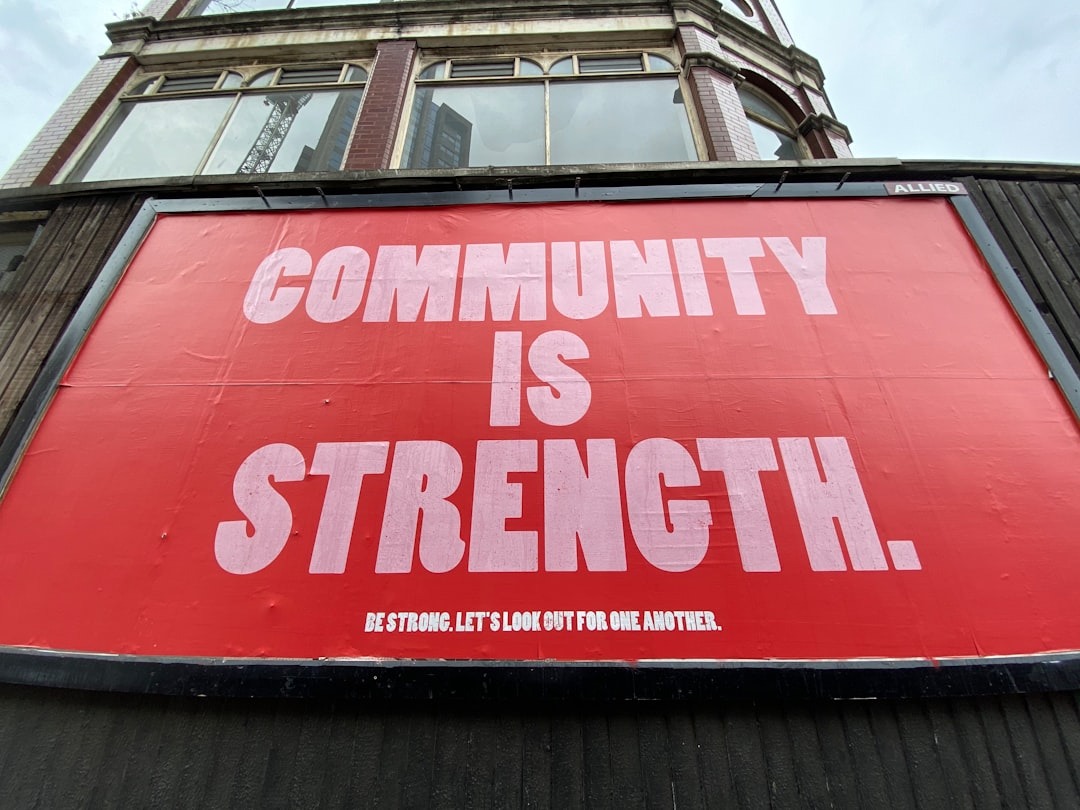
Lasting community impact rarely happens through isolated efforts. The most effective initiatives are built through partnerships that bring together businesses, nonprofits, educators, and community leaders with a shared vision for progress. When organizations collaborate around common goals, they can combine resources, knowledge, and networks to create solutions that are both scalable and sustainable.
Sustainable partnerships begin with alignment. Successful collaborations are built on a clear understanding of each partner’s mission, capabilities, and expectations. Corporations may contribute resources, industry expertise, and workforce opportunities, while community organizations provide local insight, trust, and direct engagement with the populations being served. When these strengths are combined, programs become more responsive to real community needs.
Communication and accountability also play a critical role. Regular check-ins, shared goals, and transparent impact measurement help ensure that partnerships remain focused and effective.
Equally important is the commitment to long-term engagement. True impact takes time, and partnerships that extend beyond single events or short-term initiatives are more likely to create meaningful change. By working together over multiple years, partners can refine strategies, track measurable outcomes, and build stronger relationships within the communities they serve.


When all parties understand the progress being made and the challenges that need to be addressed, they can adapt and improve their efforts over time.
Ultimately, sustainable partnerships transform community investment into a collaborative ecosystem. Instead of organizations working independently, partners unite around a shared purpose—creating opportunities, strengthening neighborhoods, and helping communities thrive for generations to come.