
Strong communities are built on opportunity. At the heart of that opportunity is access to meaningful careers. When workforce development and community development are aligned, the result is more than job placement—it becomes a pathway to economic mobility, stronger neighborhoods, and long-term social stability.
Communities thrive when residents have access to career pathways that provide not only income but also purpose and advancement. Career exposure programs, mentorship opportunities, and industry partnerships help individuals see what is possible and connect them with the skills and networks needed to pursue those opportunities. When young people can visualize a future within their own communities, it changes the trajectory of entire neighborhoods.
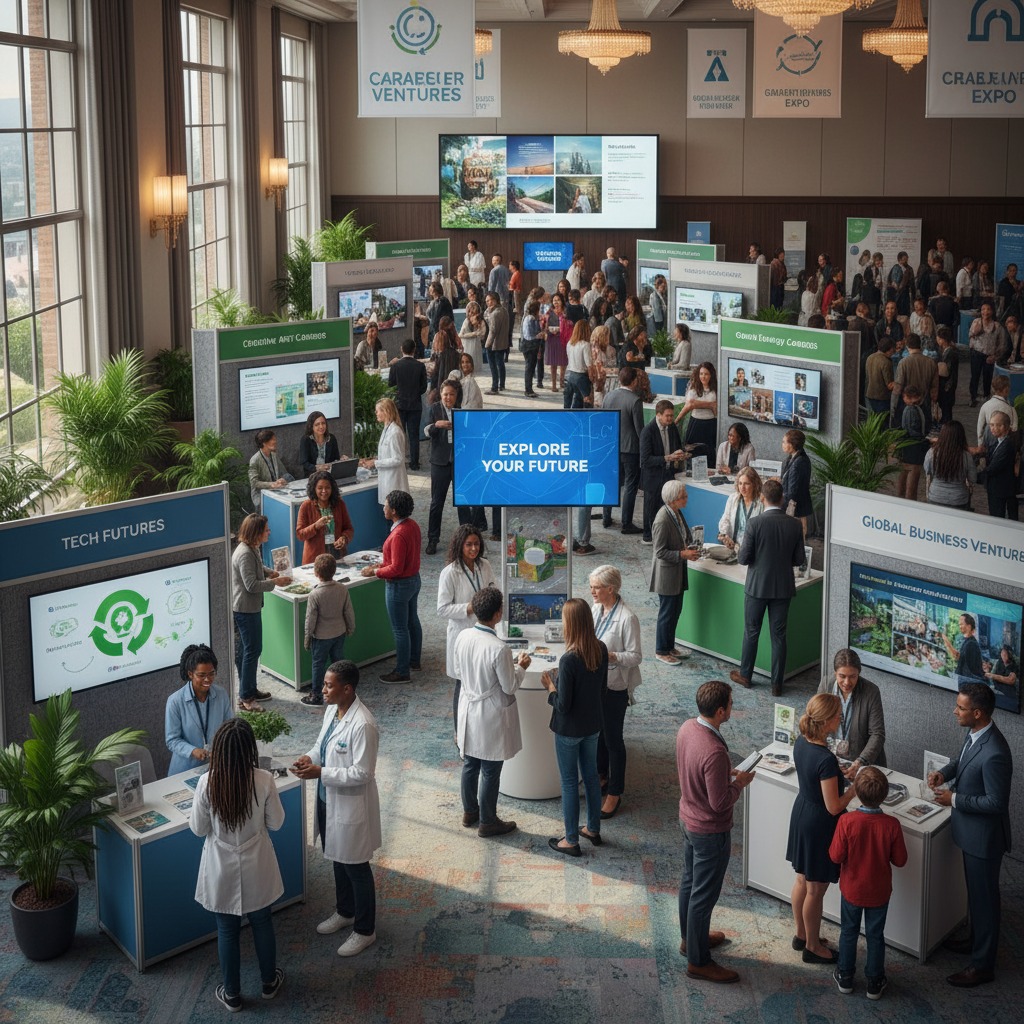

At the same time, employers benefit from engaging directly with communities to build talent pipelines. Companies that invest in workforce readiness initiatives gain access to motivated, locally rooted talent while demonstrating a commitment to long-term community growth. This approach transforms corporate social responsibility from simple philanthropy into a strategic investment in human capital.
Community development efforts are most effective when they include intentional workforce strategies. Career exploration programs, financial literacy education, entrepreneurship support, and leadership development initiatives work together to strengthen both individuals and the communities they call home.
The CAFE Impact Model
The CAFE Impact Model—focused on Careers, Arts, Financial Education, and Esteem—recognizes that career pathways are interconnected with cultural engagement, financial empowerment, and personal development. When these elements are integrated, communities become ecosystems of opportunity rather than isolated programs.
Ultimately, the intersection of careers and community development is about creating environments where people can build sustainable livelihoods while contributing to the vitality of their communities. By aligning workforce initiatives with community investment strategies, organizations can help build stronger economies, more resilient neighborhoods, and brighter futures for the next generation.